
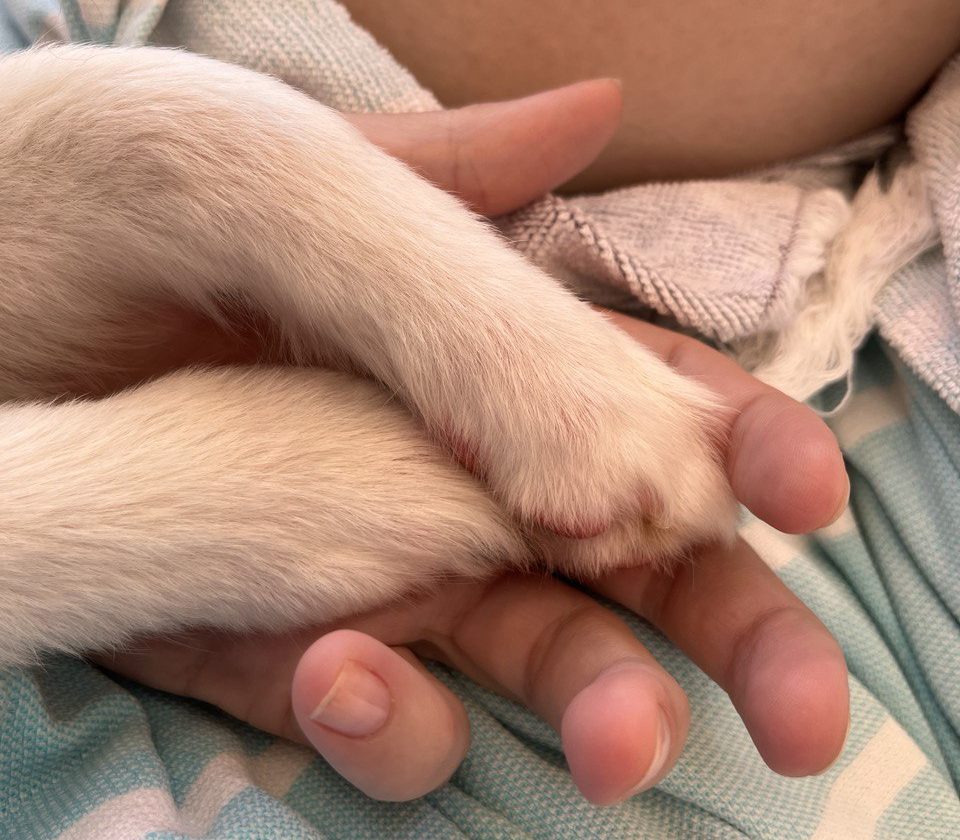
I’ve been tossing this question around in my head quite a lot lately; do I truly love my dog? Of course, my initial response is an enthusiastic, resounding YES! But then I pause. What exactly do I mean by love? And more importantly, does my dog, Cookie, actually feel loved?
This contemplation became even more intense after reading and writing about anthropomorphism i.e. our tendency as humans to attribute human characteristics and emotions to animals. It’s easy to say, “I love my dog,” in the same breath we say we love pizza or our new shoes. But how can we make sure our canine companions understand and experience our love as deeply as we claim to feel it?
Think about it. We humans struggle enough with communicating love among ourselves. Take my own family as an example: my mom showed love by feeding us delicious meals, my dad by tirelessly providing for us. I, on the other hand, evolved into a reserved, affection-challenged adult who primarily showed love through thoughtful gifts and small gestures. When my boyfriend (now husband❤️) and I first began dating, this nearly derailed our relationship. He expected more open emotional expressions, and I expected him to appreciate my quiet gestures. We both genuinely loved each other but initially failed to communicate it effectively. Eventually, after some heartfelt talks and more than a few comedic misunderstandings (believe me, communication can feel like rocket science sometimes), we found our rhythm. We learned the intricate dance of understanding each other’s love languages, how to express love in ways the other person deeply appreciates.
Now, considering all these complexities within human relationships, how much more challenging does this become when we want to express our love to a completely different species?
Recently, I stumbled across an insightful story from Patricia McConnell that really struck a chord. In her book “For the Love of a Dog” McConnell recounts a day at the vet when she encountered a woman with a beautiful Border Collie. Watching their interaction, it quickly became clear that the woman genuinely loved her dog but had zero clue how to effectively communicate with it. The Border Collie was visibly anxious and confused by its owner’s signals—or lack thereof. McConnell, moved by the dog’s obvious discomfort, impulsively offered to buy the dog from her. The owner firmly refused, stating clearly how much she adored her dog. And this is the key moment. McConnell writes:
“Love, as any partner or parent can tell you, isn’t the same as understanding. Like the woman who loved her Border Collie as much as she confused her, we all can profit from learning more about emotions in both species. Some people who love their dogs are oblivious to blatant expressions of emotion on the dogs’ faces (just ask any dog trainer). Others, not very good at controlling their own emotions around dogs, cause, at best, confusion; at worst, terrible suffering. Many dog owners don’t know that dogs, like kids, need to learn to control their own emotions. I’ve seen countless dogs who bit someone out of what I think was frustration, lashing out in an emotional outburst that could have been prevented if they’d learned what all individuals who live with others need to learn: that patience is a virtue.”
Reading this made me stop and think deeply about my relationship with Cookie. Yes, I adore her. Yes, she is the cutest, quirkiest, most anxiety-ridden bundle of fur on the planet. But does she actually experience this love in a way that’s meaningful to her? It’s true I want to squish her adorable little face every time I see her. Cuteness aggression is real, people! But this urge, as tempting as it might be, means absolutely nothing comforting or loving to Cookie.
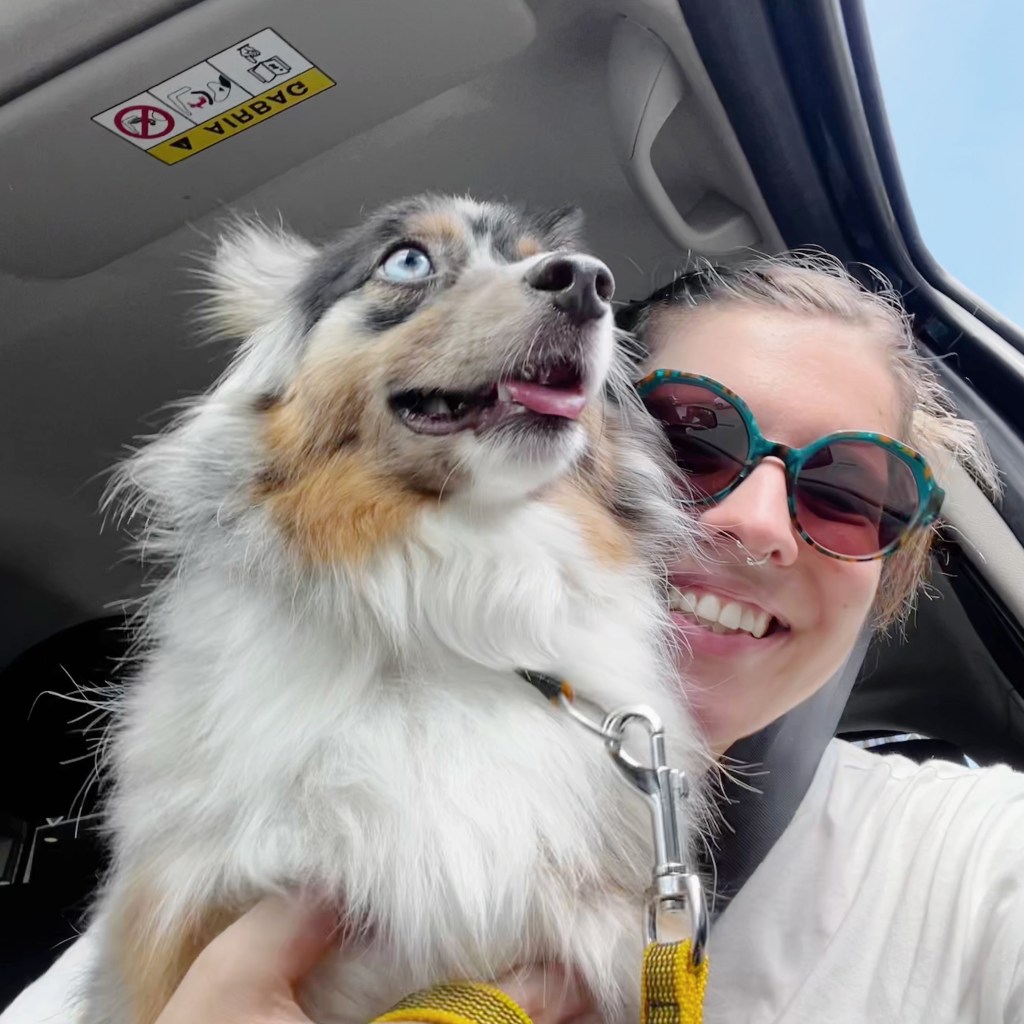
Cookie is an independent lady. My attempts at cuddling are met with tolerant sighs, a polite shuffle away, or sometimes just outright abandonment as she moves to another room for peace (my feelings slightly hurt, I’ll admit!). She doesn’t crave physical affection or baby talk (okay, maybe I’m guilty of occasionally using my “dog-mom voice” when no one’s listening). She values her personal space, and she’s not afraid to make it crystal clear. And you know what? I respect that. It wasn’t easy at first, I mean, who can resist dog snuggles? But respecting her boundaries was my first step in genuinely showing my love to her.
Lately, I’ve made it a personal mission to better understand Cookie’s love language. After careful observation and, honestly, some ridiculous notes I made on my phone, I’ve discovered her love is rooted in calmness, clarity, and freedom. She’s an anxious dog, highly reactive to triggers around her. However, early in the morning or late at night, when the world around us quiets down and it’s just the two of us, Cookie blossoms into an entirely different dog. Her perpetual state of alertness melts away, her stiff walk softens into a relaxed stroll, and even her perennially furrowed eyebrows (yes, my dog has resting worried face…) ease into something more serene.
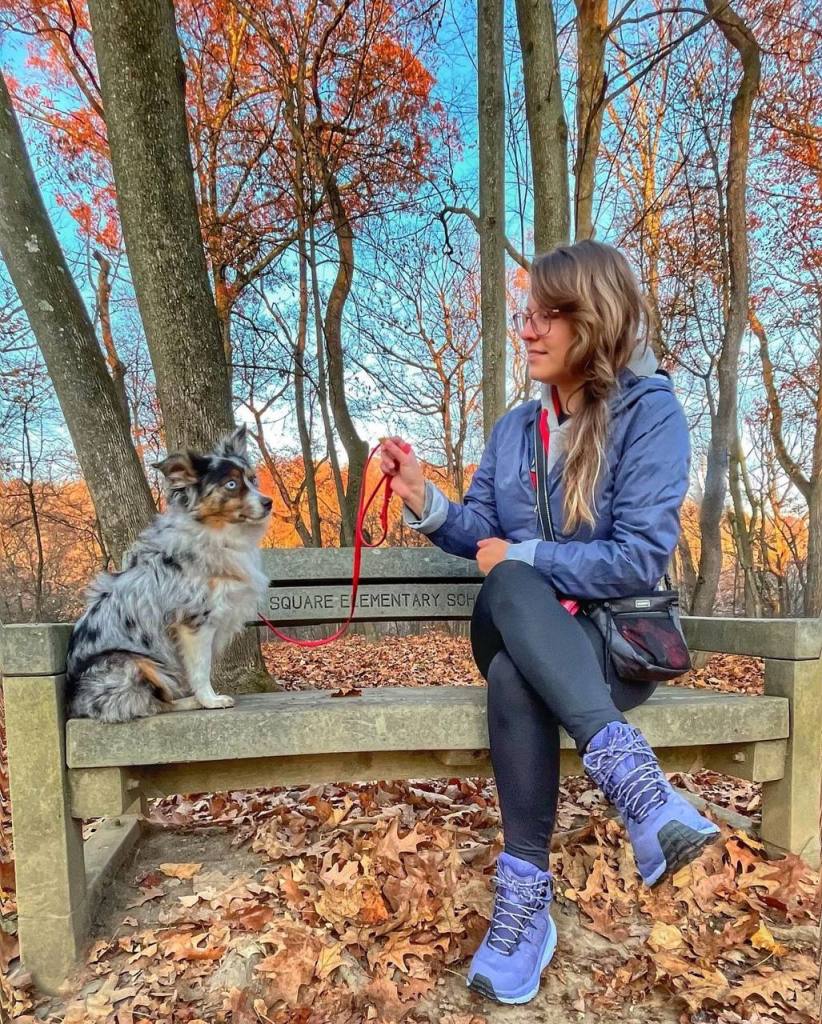
On these peaceful outings, Cookie is entirely present. She confidently explores her surroundings, chooses where she wants to sniff, and even navigates playground agility equipment with surprising enthusiasm. But the magic truly happens in the quiet moments when we sit together on the grass, simply breathing and enjoying each other’s company. In these moments, the bond between us feels profound and effortless. I can feel her tension melt away. These quiet times are her way of feeling safe, loved, and respected.
Realizing this, I adjusted our routine to give her these quiet, peaceful outings as often as possible. And this, friends, is my true act of love toward her, not squishing her cute little face (although the temptation remains strong), not forcing her to cuddle on my terms, but rather observing her closely, learning what makes her genuinely happy, and creating space in her life for that happiness.
This doesn’t come naturally, of course. As humans, we have to make a conscious effort to step out of our own assumptions and desires. And let’s face it, sometimes, despite our best intentions, we struggle even with our human relationships. We often misunderstand friends and partners, unintentionally causing hurt or frustration. It’s no surprise that we sometimes fail to clearly communicate our love to a species that doesn’t speak our language.
So yes, perhaps love is more than a spontaneous declaration or enthusiastic cuddling session. Maybe it’s a thoughtful practice, an intentional effort to observe and understand another being deeply enough to recognize and fulfill their unique needs. Maybe true love means evolving alongside your companion—whether human or canine—to build trust, safety, and emotional comfort. And perhaps, most importantly, true love requires patience; patience to learn, patience to grow, patience to step back when your heart desperately wants to rush forward.
In the grand scheme of our dogs’ relatively short lives, taking the time to learn how they feel loved and actively showing them this kind of mindful love is the greatest gift we can offer. So, do you really love your dog? Perhaps the better question to ask ourselves is: Do our dogs feel loved by us?
Now excuse me while I go find Cookie 💋(she’s hiding from my cuteness aggression again.)
Sources:
For the Love of a Dog: Understanding Emotion in You and Your Best Friend by Patricia McConnell
 Bytesize Cookie