
Hi friends,
If you’re here, you’re probably navigating the rollercoaster of being a new dog parent or thinking about becoming one. Either way, welcome! I want to share my journey with my dog, Cookie, who has grown from a bouncy little pup into an anxious, reactive (but very loved!) adult dog.
Let me be real with you: Cookie didn’t just “turn out this way.” Yes, her breed traits, early life, and genetics played a role. But so did I. I made mistakes. A lot of them. Mistakes that I now own, talk about openly, and try to help others avoid. Because learning the hard way is tough, on both you and your dog.
So here it is: Cookie’s first year, told through 10 heartfelt lessons. Some are things I did right, most are things I learned the hard way. But all of them matter.
1. Research, Research, Research (Before You Even Meet the Dog)
Cookie was rehomed to me. I saw her photo, my heart melted, and I said yes before I even googled the basics. I had grown up with cats. I had no idea what I was getting into with a working breed.
Cookie is a shepherd mix, smart, sensitive, high-energy, and built to work. Herding breeds often end up in shelters because people underestimate their needs. And that was me. I didn’t know what “mental stimulation” meant, how to read dog body language, or even how to properly leash walk a puppy.
Please don’t wing it like I did. Whether you’re planning to get your dog from a breeder or adopt, do your homework first. Learn about different breed groups, typical behaviors, and most importantly, what kind of dog truly fits your lifestyle.
Don’t fall for common misconceptions like “big dogs can’t live in small apartments” or “pit bulls are aggressive.” It’s not just about the breed or size; it’s about the lifestyle you can offer. You can live in a one-bedroom apartment in NYC and still give an Aussie the best life, as long as you have the time, energy, and resources to take them out daily for walks, hikes, and play. On the other hand, you can live in a huge house with a yard and still fail your toy Aussie if you can’t provide enough mental and physical stimulation.
So, when I say, “do your research,” I don’t just mean googling breeds and picking what seems to fit. I mean understanding what dogs need, exercise, enrichment, training, companionship, and being honest with yourself about what you can realistically provide.
When you rescue, you’ll find that many dogs are mixed breeds. You may not get breed-specific information but shelters usually provide insight into a dog’s behavior and needs. You’ll have the chance to meet the dog, see if there’s a connection, and even foster first to make sure it’s a good fit.
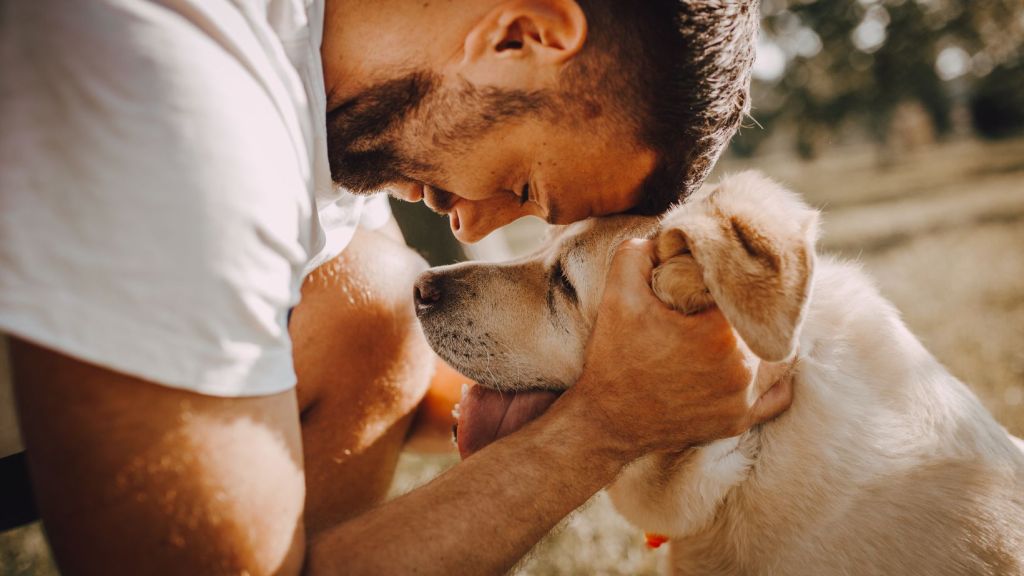
Take the time. Your future dog will thank you ❤️
2. Get Professional Help Early (and Budget for It)
I waited too long to get professional training help. And when I finally did, I could only afford a couple of sessions. Meanwhile, Cookie had already developed anxiety and reactivity, especially after an off-leash dog attacked her during a walk.
Dog training can be expensive, but it’s an investment in both your dog’s future and your own peace of mind. If I could go back, I would have saved up for training before Cookie even came home!
Even if your dog is well-behaved, early socialization classes, puppy kindergarten, and trainer guidance can make all the difference. Find a certified trainer—look for ones who use humane, science-based methods. The IAABC and CCPDT have directories of certified professionals.
And here’s a tip: interview your trainer like you would a therapist or a teacher. Ask about their methods. Meet them with your dog. Ask for references from other clients. Trust your gut.
3. Learn to Observe Your Dog (Body Language Is Everything)
Your dog is communicating with you all the time just not with words. Understanding your dog’s body language is one of the most powerful tools you’ll ever develop as a dog parent. And trust me, I learned this the hard way🥲
When Cookie was a puppy, I thought she was thriving at the dog park. She was running, interacting, chasing other dogs. I mistook her fast movement and zoomies for excitement. But over time, I realized she wasn’t having fun, she was overwhelmed. What looked like “play” was often stress. She didn’t know how to disengage, and I didn’t know how to help her. Her tail was stiff, her body tense, her ears flicking constantly, classic signs of discomfort that I didn’t yet recognize.
That was a turning point for me. I started diving into dog body language, and wow what a difference it made…

Some common calming signals dogs use to communicate stress or uncertainty include lip licking (without food), yawning (outside of being tired), turning the head away, freezing or slowing down, shaking off (like after a bath, but without being wet), looking away or avoiding eye contact, Panting, even when it’s not hot. A wagging tail for instance doesn’t automatically mean happiness, it depends on the speed, height, and stiffness of the wag. A high, fast, tight wag can indicate arousal or agitation, not friendliness. (I’ll include some excellent resources on understanding dog behavior at the end of this post!
These signs often indicate that your dog is feeling some distress and is trying to decompress or relax. One common example is shaking off. Cookie, for instance, shakes off quite a bit. It’s similar to what we do when we’re stressed, like taking a deep breath or jumping and shaking out our hands to release tension before a stressful event.
In the same way, Cookie shakes to relieve stress. Fun fact: she actually knows the command “Shake it off.” I started saying, “Good girl, shake it off,” whenever she did it, to let her know it’s a positive thing!
Once I learned to observe Cookie with intention, not just reacting to her behaviors, but reading the cues leading up to them, I could make better choices for her. And that leads perfectly into the next point…
4. Advocate for Your Dog (Even When It’s Awkward)
Here’s a simple truth: your dog only has you to protect their boundaries. They can’t say “no” out loud, but their body language will. And it’s our job to listen.
Cookie is adorable. People want to pet her all the time. But here’s the thing: she doesn’t always want to be touched. Sometimes she’s nervous, or tired, or just not in the mood. And just like we wouldn’t force a child to hug a stranger “just to be polite,” we shouldn’t expect our dogs to be endlessly tolerant either.
Being your dog’s advocate might mean:
- Politely asking someone not to pet them.
- Moving your dog behind you when a situation feels unsafe.
- Saying no to off-leash dogs running up to yours (you are allowed to say no!).
- Skipping events or environments that you know your dog finds stressful.
- Giving your dog permission to not engage with new people or dogs.
This isn’t about “babying” your dog, it’s about meeting them where they are and helping them feel safe. When dogs feel safe, they’re better learners, more confident, and less likely to develop behavior problems.

This is where the concept of critical anthropomorphism comes in. It means using our human empathy to interpret animal behavior, without assuming they think or feel exactly like us. For example, if your dog flinches at loud sounds, don’t force them to “tough it out” just as you wouldn’t force a child afraid of fireworks to sit through a firework show.
When I started advocating for Cookie, stepping in during uncomfortable interactions, letting her take space, and saying “no” on her behalf, I saw her confidence slowly build. She began to trust me more because she knew I had her back.
And really, isn’t that what we all want in a relationship? Trust, respect, and the ability to say, “I don’t feel safe,” and be heard.
5. Skip the Dog Park (Seriously)
Okay, hot take but I hate dog parks.
I used to think they were great for socializing. Cookie would zoom around, chase other dogs, and I thought she was having the time of her life. But in reality? She was overstimulated, anxious, and unsure how to disengage.

Dog parks are uncontrolled environments with unknown dogs, unpredictable behaviors, and often, distracted humans. It’s the equivalent of throwing your toddler into a wild, unsupervised playground and hoping for the best.
There are better ways to socialize. Which leads to…
6. Socialize… But Not How You Think
Socialization isn’t about flooding your dog with other dogs and new people. It’s about helping them feel safe and neutral in the world.
One of my favorite things to do with Cookie is something I call “The Art of Doing Nothing.” We go to a park, sit on a bench or on the grass, and just watch. People walk by. Kids scream and play. Bikes zoom past. Birds chirp. Cookie just exists in the environment, taking it all in.
This builds confidence, reduces overstimulation, and teaches calmness in public spaces. You can start this with a young pup or even an older dog. No pressure. Just presence.

If your dog loves being around other dogs and enjoys playing with them, which is fantastic, I recommend setting up playdates with their dog friends. It’s a great way for your dog to socialize safely, and it also gives you a chance to get to know the other owners, confirm that their dogs are up to date on vaccines, and build a circle of trusted playmates.
7. Be on the Same Page with Your Partner/Roommate/Family
Cookie’s first year was… chaotic. My husband and I weren’t on the same page with training, we were using different approaches and methods, and we even struggled to agree on consistent commands for the same behaviors.
Consistency is key with dogs. If one person says “off” and another says “down,” or one rewards jumping while another discourages it, your dog will be confused. And frustrated. And probably anxious.
Sit down as a household and agree on rules, commands, walking routines, training goals. You’re a team now, and your dog needs clarity!
8. Choose a Vet You Trust (and Who Understands Behavior)
Having a great vet isn’t just about medical care, it’s about feeling seen and supported as a dog parent.
When Cookie had a really overwhelming experience at the vet, I realized how important it is to have a behavior-savvy vet and a kind, patient support team. Cookie is an anxious and reactive dog, and the clinic fully understands that. They always let us know if there are other dogs around, take us inside when it’s quiet, and make sure she has space to decompress. They allow treats during check-ups and never force interactions; it’s made a huge difference for her.

Look for clinics certified as Fear Free or that mention behavior-focused care on their website. And don’t be afraid to switch if the vibe is off. Your dog’s physical AND emotional health matter.
More info: Fear Free Certified Professionals
9. Get Pet Insurance (Seriously)
Pet care in the U.S. is shockingly expensive. Emergency vet visits can easily run into the hundreds or even thousands of dollars. From unexpected injuries to chronic conditions and medications, costs add up fast.
That’s why getting pet insurance is one of the smartest things you can do. There are plenty of providers out there like Lemonade, Healthy Paws, Trupanion, Embrace, so take time to compare what’s covered.
Bottom line: don’t wait for something to happen. Pet insurance can save you serious money and give you peace of mind.
10. Live the Moment
At the end of the day, your dog doesn’t care if you messed up the training. They don’t remember the mistakes. They remember how you made them feel.
So yes, keep learning. Train with kindness. Do better every day. But also chase sticks. Lie in the grass. Dance in the kitchen with your dog.

You only get a few short years together ✨Make them count✨
Recommendations
- “Puppy Kindergarten: The New Science of Raising a Great Dog” by Brian Hare & Venessa Woods
- “The Puppy Primer” by Patricia B. McConnell and Brenda Scidmore
- “Before and After Getting Your Puppy” by Dr. Ian Dunbar
- “On Talking Terms with Dog: Calming Signals” by Turid Rugaas
- “Doggie Language: A Dog Lover’s Guide to Understanding Your Best Friend” by Lili Chi
- “Don’t Shoot the Dog!: The New Art of Teaching and Training” by Karen Pryor
What was the biggest mistake you made – or the best decision – when you had your puppy? Share your experience in the comments!
 Bytesize Cookie