
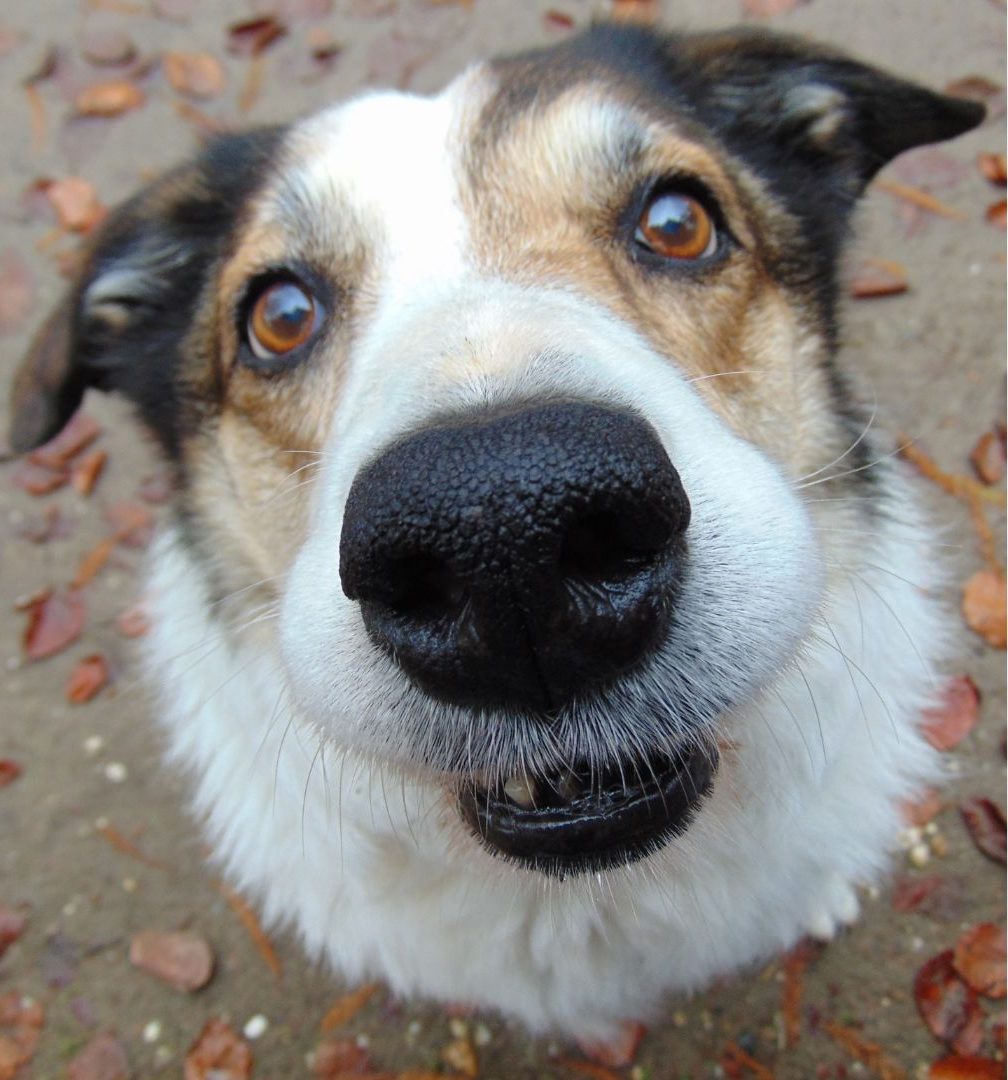
If you’ve ever watched your dog closely, nose down, intensely sniffing a seemingly random patch of grass, you’ve probably wondered what on earth is so fascinating. I often marvel at my own dog, who treats every outing, particularly after rainfall, as a treasure hunt. Rain amplifies the smells, unlocking a symphony of scents invisible to our human senses. Cookie trots about joyfully, sniffing everything from blades of grass to invisible trails left by neighborhood wildlife. This sniff-fest is crucial to her mental health and happiness.
What Exactly Is Sniffing to Dogs?
Dogs experience the world primarily through their noses. While we humans rely heavily on sight, dogs possess an incredibly powerful sense of smell, boasting up to 300 million olfactory receptors compared to our measly 5 million! 😲 Alexandra Horowitz, author of “Inside of a Dog,” explains that dogs can detect some odors at parts per trillion, equivalent to sensing a single drop of liquid in 20 Olympic-sized pools! To a dog, sniffing is akin to reading the daily news. Every scent provides intricate details about their surroundings, the passage of time, and the beings who’ve recently passed by.

The Importance of Sniffing for Your Dog’s Fulfillment
Sniffing isn’t merely a canine pastime; it’s an essential aspect of their overall well-being. Studies show that sniffing significantly reduces stress and anxiety in dogs, lowering cortisol levels and promoting relaxation. For anxious dogs like my Cookie, frequent sniffing opportunities are therapeutic. Allowing ample sniffing time on walks can substantially improve your dog’s emotional health and lead to a calmer, happier pup.
Dr. Karen Overall, a leading veterinarian in animal behavior, highlights how sniffing activities can mitigate behavioral issues linked to anxiety or stress. Engaging in scent exploration helps dogs like Cookie feel in control of their environment, making the world less intimidating and more predictable.
Historical Use of Dogs’ Sniffing Abilities
Dogs’ superior noses have been harnessed throughout history in various remarkable ways. Historically, dogs aided hunters in tracking and retrieving prey. Today, their skills have expanded significantly:
- Medical Detection: Dogs are trained to detect illnesses such as cancer, diabetes, and even early signs of epileptic seizures. These life-saving abilities rely entirely on their precise and sensitive noses.
- Search and Rescue: Specially trained dogs track missing individuals, whether lost in wilderness or trapped in urban disaster zones. Their noses can discern individual scents even amid chaos, making them invaluable in rescue missions.
- Law Enforcement: Dogs assist police in detecting narcotics, explosives, and contraband. Unfortunately, alongside these beneficial roles, there’s a troubling history involving their use by authorities to oppress marginalized communities.
Indeed, the use of dogs by authorities to intimidate and control Black individuals has a long, painful history in the United States. During slavery, bloodhounds were tragically deployed to track and recapture escaped enslaved people. This oppressive practice persisted into the Civil Rights Era, with police dogs used to violently suppress peaceful protests, notably in Birmingham, Alabama. Even today, disparities remain as law enforcement disproportionately deploys dogs against Black individuals, leading to physical injuries and trauma.
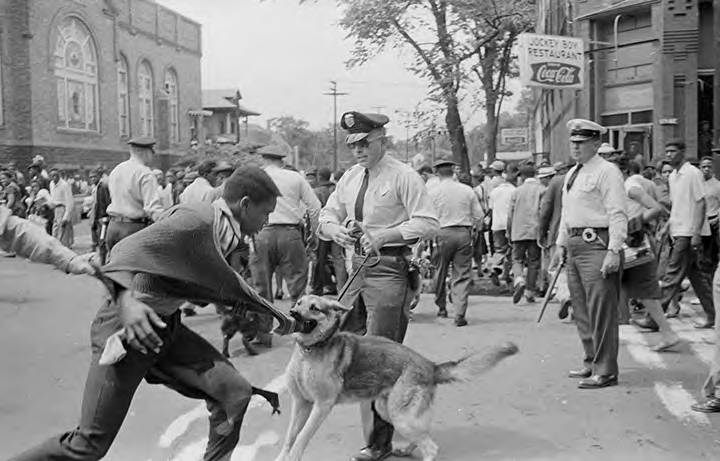
Recognizing and confronting this dark historical use is crucial. While appreciating dogs’ amazing capabilities, we must also ensure ethical treatment and deployment, promoting the compassionate use of their skills.
Getting Started With Nosework: Teaching Your Pup
You can easily start teaching your dog basic nosework at home. Here’s how to kick off this exciting journey:
- Choose Your Scent: Begin with distinct, easy-to-recognize scents like essential oils of birch or clove. Introduce the scent gently, associating it positively with treats or play.
- Setting the Scene: Start by hiding the scent-infused item in obvious, easy-to-find places. As your dog gains confidence, gradually increase the challenge by hiding the scent in trickier spots.
- Encourage and Reward: Always use positive reinforcement. When your dog finds the hidden item, praise enthusiastically and reward generously with treats or favorite toys.
- Increase Complexity: Over time, introduce various environments and surfaces to enhance your dog’s skills. Outdoor settings, varied terrains, and different weather conditions will further refine your dog’s nosework capabilities.

There are tons of YouTube videos out there that show how to teach and practice nosework with your dog, both indoors and outside. You can also find local classes if you’d rather learn in a group setting.
Just a heads-up: if you have an anxious or reactive dog like Cookie, it’s a good idea to talk things through with the trainer before signing up for a class. Many places will actually let you audit a class—with or without your dog—so you can get a feel for the environment and see how your pup might respond.
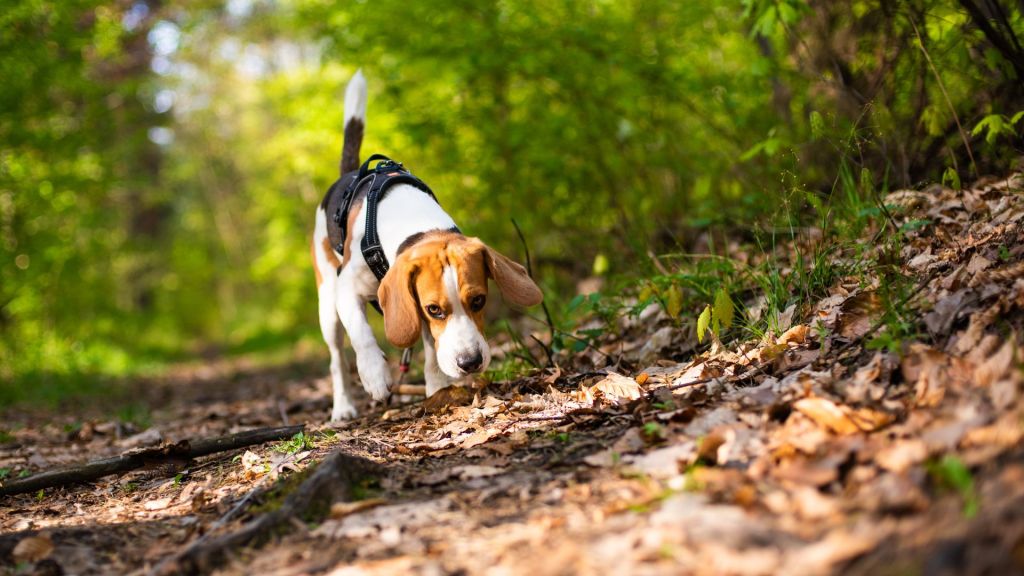
From what I’ve heard from other owners of anxious dogs, the first class can be a bit overwhelming. But because the dogs are usually kept in their kennels and not interacting directly, most of them end up focusing on the work and ignoring the usual triggers. That said, for this to go smoothly, you as the handler need to feel confident and in control every step of the way.
The only thing holding us back from joining a class right now is that we don’t have a car, and Uber rides to the training centers in our city are just too pricey. So, we’ve started learning at home instead! We actually just ordered an easy starter kit from K9 Nose and can’t wait to try it out. I’ll be sharing our experience in an upcoming blog post, so stay tuned!
Cookie’s Sniffing Adventures: A Personal Insight
For Cookie, nothing beats sniffing expeditions after a good rainfall. The rain unlocks an array of hidden scents, soil, plants, insects, and wildlife tracks become more vivid, sending her into a frenzy of discovery. Watching her enthusiastic investigations reminds me daily how important sniffing is in her life. These simple moments deepen our bond and significantly boost her overall happiness.
Conclusion: Embrace the Sniff!
Encouraging your dog’s sniffing instincts isn’t merely a nice gesture; it’s an integral part of responsible dog guardianship. Whether through casual sniffing strolls or structured nosework, helping your dog use their innate abilities can transform their quality of life, especially for anxious dogs like Cookie.
The next time your pup stops to sniff that seemingly boring patch of grass, remember they’re uncovering intricate stories you can only imagine. Embrace their sniffing adventures wholeheartedly, it means a happier, healthier, and more fulfilled dog!
Cheers! Seda & Cookie 💙
References:
- Attack Dogs and the History of Racial Violence by Tyler Parry
- American Kennel Club: How to Teach Your Dog Scent Work at Home
- “Inside of a Dog” by Alexandra Horowitz
- When Police Violence is a Dog Bite – The Marshall Project
- Veterinary Behavior Medicine Textbooks by Dr. Karen Overall
- Man’s Best Friend? How Dogs Have Been Used to Oppress African Americans by Shontel Stewart
 Bytesize Cookie