

As a proud dog owner myself, I’ve always believed that welcoming a furry friend into my life was one of the best decisions I’ve ever made. However, recently I’ve started to notice an unsettling trend: dog ownership is rapidly becoming a luxury not everyone can afford. Let’s dive into what’s behind this shift, how social media influences our expectations, and the booming pet service industry that’s flourishing amidst this costly trend.
The Rising Costs of Dog Ownership
Owning a dog today isn’t as simple or affordable as it was a decade ago. Major expenses like veterinary care, quality food, grooming, and pet insurance have significantly increased. According to a Financial Times report, veterinary fees alone have skyrocketed, rising by over 60% from 2015 to 2023, far outpacing general inflation. In the U.S., MarketWatch highlights that vet care costs are now prohibitively high for many families, sometimes resulting in heartbreaking choices when pets need urgent care.

Quality pet food, another essential expense, isn’t cheap either. LendingTree’s recent survey found that the average pet owner spends approximately $1,163 annually on food, treats, and other necessary supplies. Premium diets, tailored to specific health conditions or breed requirements, can push this figure even higher, creating significant financial strain.
The Rising Cost of Dog Ownership in 2025
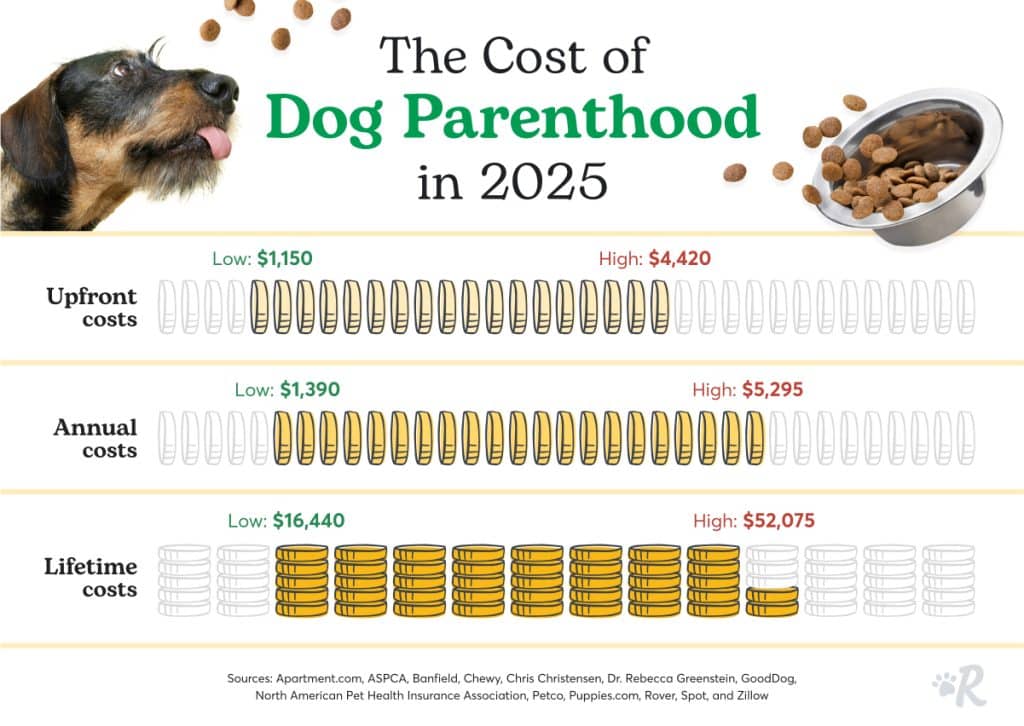
Forget the myth of the “cheap rescue dog.” Rover’s 2025 Cost of Pet Parenthood Report lays out the numbers plainly. On average:
- Upfront costs for adopting or purchasing a dog range from $1,135 to $5,270, depending on the dog’s size and breed.
- Annual expenses sit between $1,800 to $3,600, covering food, vet visits, grooming, and basic supplies.
- Over a dog’s lifetime, owners can expect to spend anywhere from $20,000 to $55,000.
Veterinary care is one of the main culprits. According to both Rover and a Financial Times analysis, veterinary prices in the UK rose over 60% from 2015 to 2023. In the U.S., the story is the same—treatment costs have surged, driven not just by inflation, but by industry consolidation. Corporate takeovers of vet clinics have led to higher fees, fewer independent options, and increasing dependence on costly emergency vet chains.
Routine care now comes with a premium. A basic checkup might cost $75–$150. Add in vaccinations, lab work, and dental cleanings, and annual vet costs can easily top $1,000 and that’s before any emergencies. And pet insurance? It helps, but it’s no magic solution. Monthly premiums are rising fast, with average plans costing $50–$70/month for decent coverage.
Pet Food and Supplies: A Silent Financial Drain
Rover reports that 74% of pet parents have noticed increased prices in pet food. Inflation and supply chain issues are partly to blame, but so is the growing trend toward specialized diets. Many owners now opt for “human-grade” food or raw diets, both of which cost significantly more than traditional kibble. Treats, supplements, and health-focused add-ons (like probiotics or hip/joint chews) quickly add up.
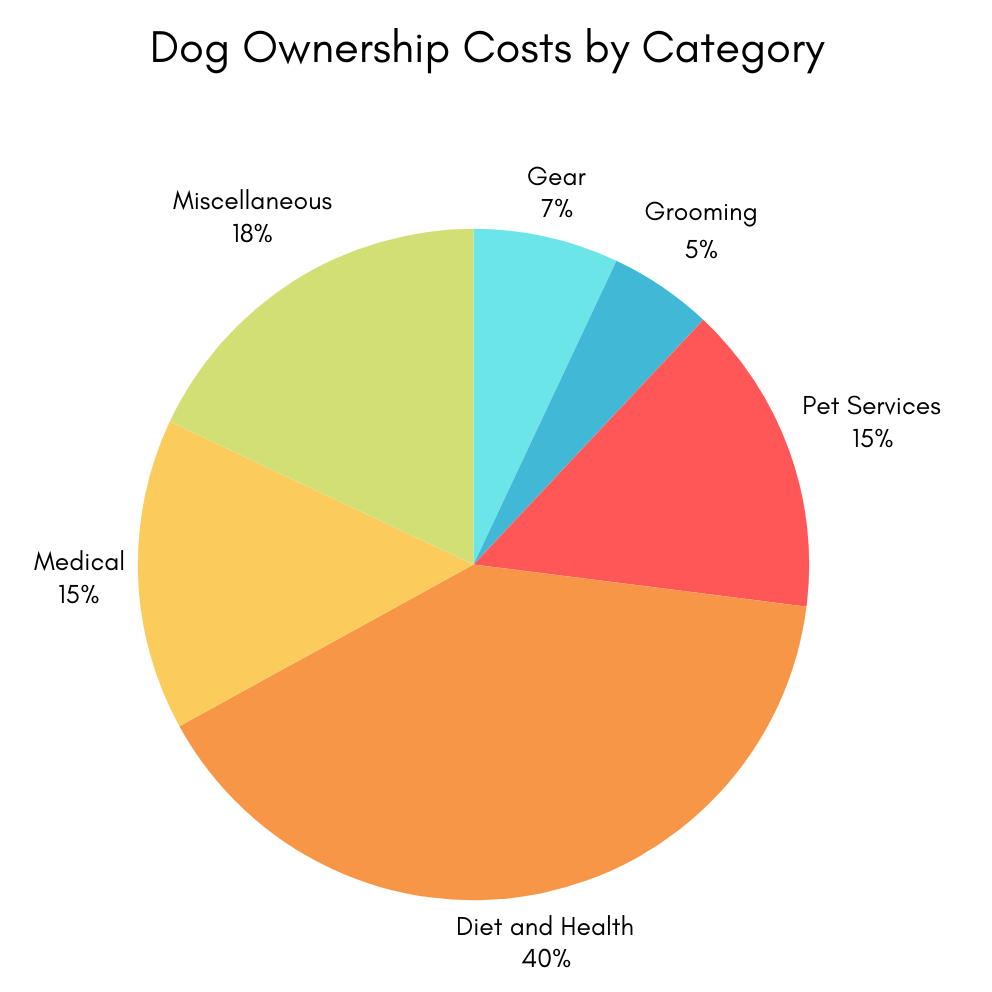
LendingTree backs this up, citing an average of $1,163 per year on food, treats, and basic supplies for dogs. For owners who follow boutique food trends or have pets with medical needs, it’s not uncommon to double that figure.
The Social Media Effect: Are We Spending for Likes?
We live in the era of curated pet parenthood. Scrolling through Instagram or TikTok, it’s easy to believe that a “good dog owner” dresses their pup in seasonal outfits, buys themed subscription boxes, and documents daily enrichment activities. According to Rover, nearly 30% of dog owners admit they’ve made purchases just for social media content.
This isn’t just harmless fun, it’s warping our expectations. When “dogfluencers” showcase $300 collars and spa days, it can feel like everyone is living that lifestyle. The result? Everyday pet parents spend more to keep up with an image rather than focusing on what dogs actually need: regular exercise, companionship, and quality care.
Let’s be real, dogs don’t care about Instagram. They care if you’re present, attentive, and feeding them decent food! Everything else is marketing fluff.
The Exploding Pet Services Market: Convenience at a Cost
Even with higher costs across the board, the pet service industry is booming. Rover’s own platform is proof: the demand for walkers, sitters, and trainers is higher than ever. According to the Bureau of Labor Statistics, the pet care industry hit $10.7 billion in 2021 and has only grown since then.

More people are living alone, working long hours, and treating pets as family. That means more outsourcing of care—doggy daycare, mobile grooming, behavior specialists, you name it. In urban areas, daily walks can cost $20–30 per session. Daycare? $40–60/day. Suddenly, a working professional might spend $600/month or more just to make sure their dog isn’t alone all day.
This isn’t a luxury anymore for many—it’s a necessity. But it pushes the overall cost of pet ownership into unsustainable territory for middle-income households.
So, Is Dog Ownership a Luxury Now?
Yes. Let’s stop sugar-coating it. The average cost of dog ownership in 2025 is high enough to require deliberate financial planning. What used to be a relatively affordable source of companionship now often requires a four-figure upfront investment and thousands in annual upkeep.
However, not all of this spending is essential. The most important thing a dog needs is a stable home, adequate care, and your time. You don’t need to chase trends or perform pet parenthood online. Skip the nonsense. Focus on:
- Budgeting realistically from day one.
- Looking for community vet clinics and food pantries.
- Investing in training early to avoid costly issues later.
- Distinguishing between your needs and your dog’s.
There’s still a path to responsible ownership without bleeding your bank account, it just requires cutting through the noise.
Final Thoughts: Bringing It Back to Basics
If you’re thinking of adopting or buying a dog in 2025, treat it like any major financial decision. Don’t just budget for the adoption fee, budget for 15 years of care, unexpected emergencies, and the lifestyle shifts that come with responsible ownership.
Dog ownership isn’t inherently a luxury. But the way our culture is framing it, through overpriced services, influencer-driven trends, and inflated expectations, sure is making it feel that way. Let’s resist that pressure and bring the focus back where it belongs: on providing stable, loving homes for dogs, without getting sucked into financial overextension.
You don’t need a luxury lifestyle to be a great dog parent. You just need commitment, honesty about your means, and a clear-eyed understanding of what your dog actually values.
Love from Cookie & Seda 💞
Sources Used
- LendingTree – Pet Ownership Costs Survey
- Financial Times – Veterinary Industry Pricing Analysis (search “vet prices 2023” for archived article)
- Rover Blog – “How Much Does a Dog Cost? Upfront, Annual & Monthly Expenses (2025)”
- Rover Press – “True Cost of Pet Parenthood Report 2025”
- U.S. Bureau of Labor Statistics – Pet Services Industry Growth Data
 Bytesize Cookie