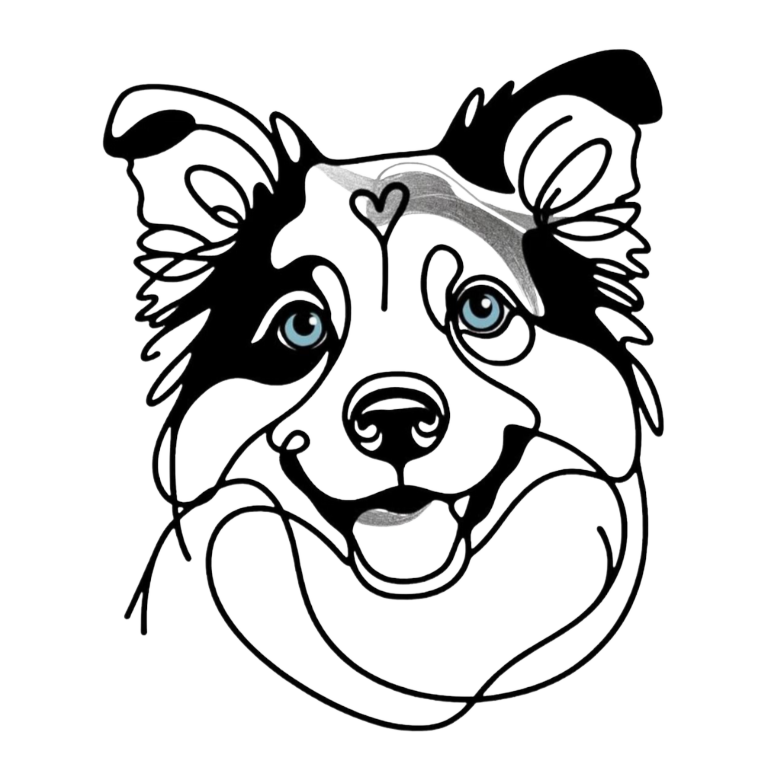

There is a peculiar geography to waiting. On a map, my husband and I are close enough to send each other pictures of the same sunset, but in life we are separated by a bureaucracy that renders that sunset into two different time zones of longing. He is in our house in Canada, unpacking a life that feels both familiar and foreign. Cookie and I are in the United States, moving from one friend’s spare room to another, temporarily intimate with other people’s furniture and coffee mugs.
We lived apart for more than two years once before, which made this second separation feel, at first, almost routine. Routine is not the same as ease. The difference is small and sharp: routine allows you to plan your days, while a liminal life steals the edges from time. My days in November were mostly edges. I woke up in unfamiliar kitchens, fed Cookie in unfamiliar bowls, and tried to work on chapters of a dissertation that seemed to belong to someone else’s life. The academic deadline sat on my desk like an object in a painting, painted with detail but impossible to touch.
There are practical things to tally: my husband found work he loves, we rented our first house with a yard, we finally have a car which promises hikes and camps when we are reunited. These are not small things; they are scaffolding. When I close my eyes, I can picture Cookie running across that yard, ears flapping, mud on her paws. I tell myself that this is the material of an ordinary future, the kind people describe in sitcoms and family home videos. That image keeps me moving.
And yet the bureaucracy is a weight that is both ridiculous and devastating. Canada is a six-hour drive away, which makes the separation feel absurd. To love someone, to build a life with them, should not require negotiating a maze of forms and waitlists. When I allow myself to feel the unfairness, the response is not theatrical rage but a quieter kind of grief. I find myself crying at odd moments: while boiling pasta, while brushing Cookie’s coat, while fumbling with the zipper of my suitcase. The tears are not necessarily about the man across the border; they are about the choreography of waiting, the small humiliations of dependence on other people’s spare rooms, the loss of routine that once sustained me.
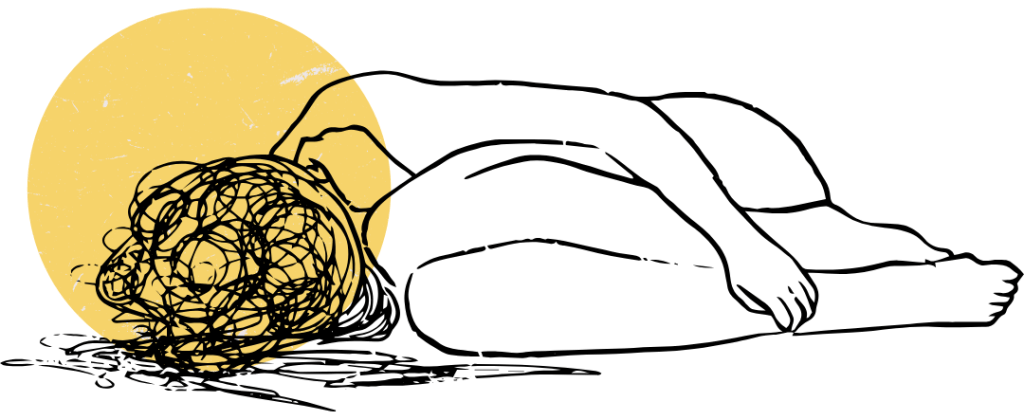
Cookie registers it all. Dogs are excellent communicators of human stress; she has become more anxious lately. Training sessions that used to be two or three focused minutes have become interrupted exercises in patience. Luggage in the corner, new faces on the sofa, different rules about where she can sleep, all of it unsettles her. When she curls up beside me in a borrowed bed, her body is steady in a way mine so rarely is.
There are compensations. True-crime binge sessions provide a peculiar comfort, the logic of a solved mystery offering temporary relief from unresolved immigration puzzles. Friends have been generous in ways I do not take for granted. Their houses become temporary stages where our private domestic life is acted out in fragments: breakfast on a Tuesday, a casserole left in the oven, a sleeping bag spread on the floor for an evening of board games. These small scenes remind me that community is a patchwork rather than a plan.
Creativity thinned in November. Social media posts, painting, reading. things that usually shore me up, fell away. It is harder to write when your life feels interrupted, when the narrative you tell yourself about who you are is under revision by paperwork. Yet in that absence there were moments of clarity. The car, finally ours, is a symbol not of escape but of possibility: weekend drives to forests we have only discussed, the promise of camping with Cookie’s nose pressed to the window, the imagined domestic labor of a backyard garden.
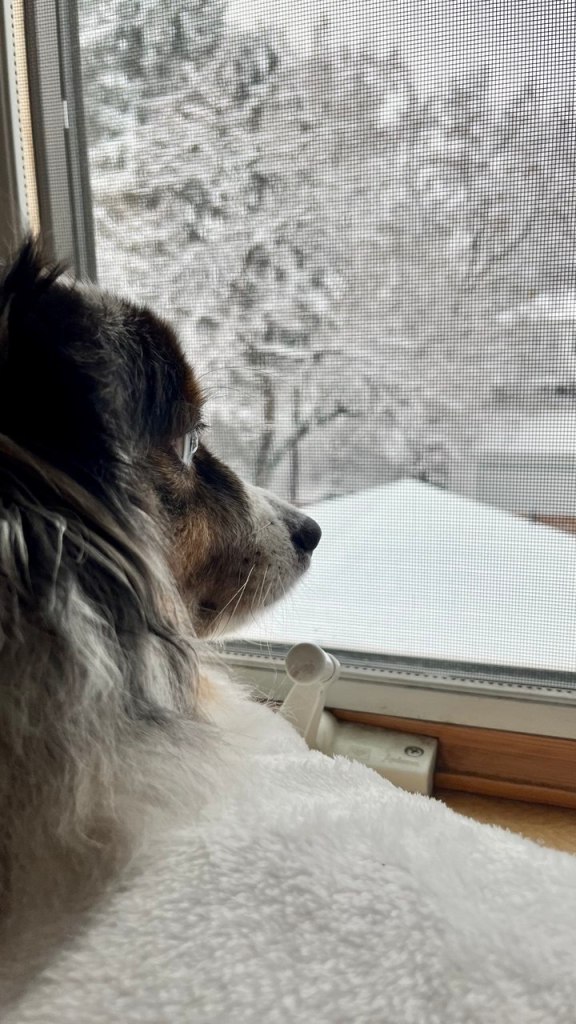
The month ended with a small, luminous reprieve. On December 1 it snowed, a slow, improbable falling that turned the borrowed neighborhood into something like a photograph. Cookie and I went out and played until our cheeks were numb and our laughter sounded like the honest thing it was. For a few hours the future did not exist as paperwork; it existed as cold air and wet fur and the taste of snowflakes. It was not resolution, and it was not an answer, but it was enough.
If there is an observation to offer, it is this: cities and borders make strange bedfellows. We build lives around the rituals of place, coffee shops that know our orders, libraries that hold our notes, and when those rituals are disrupted, we are left improvising. November taught me how to improvise small domesticities: the ritual of walking Cookie at dawn, a makeshift desk on a kitchen table, calling my husband to compare the way light hits our two halves of the same day. Waiting is not a passive state; it is an unruly practice that asks you to be attentive to the small mercies.

We are not home yet, but we are making a home in pieces. There will be more paperwork, more anxious mornings, more nights of quiet frustration. There will also be a yard where Cookie will sprint, a dissertation finally finished, and a life assembled with the patient labor of two people who have learned to wait together. For now, I hold on to the things that steady me until the border becomes a doorstep.
With love,
Cookie & Seda ❄️
 Bytesize Cookie