
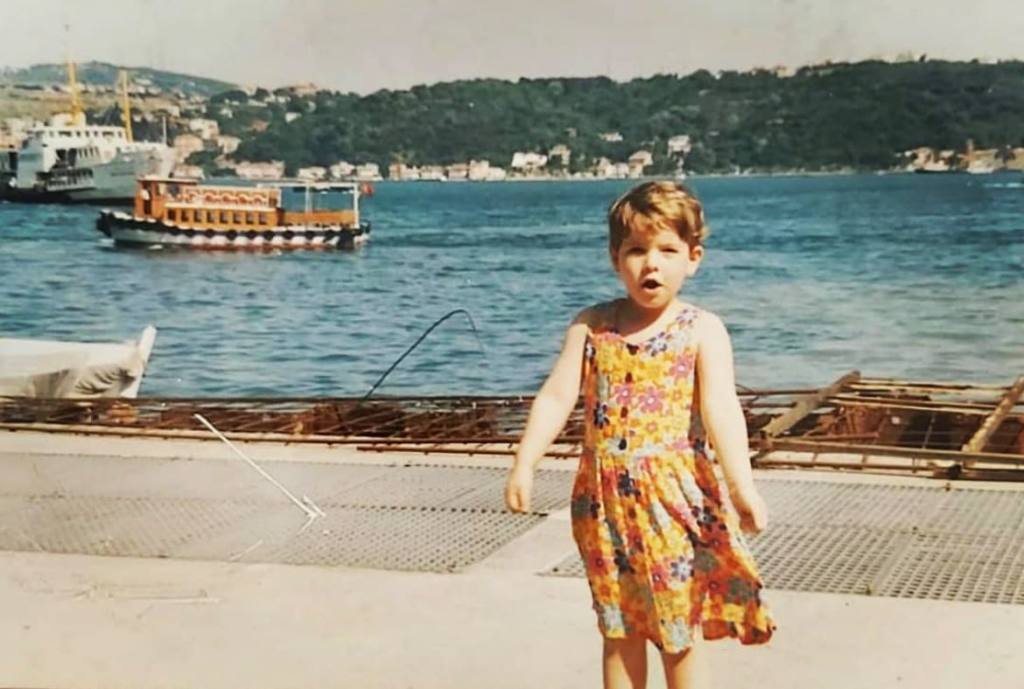
The last time I hugged my parents, I had no idea it would be more than four years before I could do it again.
Four years without sitting at the same table, sharing a meal, or simply being in the same room. Four years of seeing their faces through a screen, watching them get older from thousands of miles away.
And somehow, it’s been seven years since I left Turkey.
Lately, I’ve been asking myself a question I never thought I’d be asking: Was moving abroad the right decision?
I recently came across an IG Reel about how much it can hurt to be a girl who can’t run back home to her parents when life gets difficult. It stayed with me. I kept thinking about all the times I’d cried over something seemingly insignificant, and how I never quite understood why those little moments hurt so much.
I think I’m finally beginning to understand.
I had already lived away from my hometown when I went to university in Turkey. I loved that independence. I never regretted moving to another city. If anything, living apart improved my relationship with my parents. We understood each other better, and the distance gave us room to miss each other.
But moving abroad was different.
I didn’t grow up dreaming of living abroad. I never had an American dream. Leaving Turkey wasn’t something I had always wanted. It was more of a possibility that gradually became difficult to turn down, partly because of the opportunities available to me and partly because of those that weren’t.
I studied sociology, which isn’t exactly a field where a stable, well-paying job is waiting for you after graduation, especially in Turkey. But I loved the intellectual community I was part of. My friends and fellow sociology students were incredibly creative and curious people. Many became musicians, comedians, artists and designers, often working other jobs to support what they loved. Most of us weren’t particularly interested in conventional careers. I certainly wasn’t.
I loved reading, asking questions, debating ideas and trying to understand the world. Academia felt like the place where I belonged.
So I applied for Fulbright, the only international scholarship I really knew about at the time. I didn’t expect to get it.
But I did.
Suddenly, I had an opportunity that could change my life. And when something like that happens, how do you turn it down?
I applied to PhD programs abroad. My then-boyfriend, now husband, did the same. I was accepted into a university in the United States, and he was accepted into one in Canada.
I don’t think either of us fully understood what those decisions meant. We thought we were choosing where to study. In reality, we were also choosing where we might spend our thirties, build careers and eventually call home.
A PhD takes years. By the time you finish, you’ve spent a significant part of your adult life building something. Starting over somewhere else, even in your own country, becomes increasingly difficult.
And sometimes, even your most personal decisions are shaped by things completely outside your control.
For the first two years of my PhD, I couldn’t see my boyfriend, even though we lived only six hours apart. I was in the US, and he was in Canada.
Six hours by car. Yet we couldn’t simply cross the border to see each other.
I think this is difficult to explain to people who have never had to apply for a visa just to visit someone they love. For some, crossing a border means buying a ticket or getting in a car. For others, it means paperwork, money, months of waiting and the possibility of being rejected.
My Canadian visa application was denied during the COVID pandemic. I didn’t even receive the rejection email until almost a year later. I had spent all that time hoping we would finally see each other, not knowing that the answer had already been no.
We eventually reunited in Turkey during a summer visit and decided to get married. We married in 2023, and only then were we finally able to get a visa and live together in the US while I continue my PhD.
It’s strange to think that something as personal as when you get married can be influenced by your passport and the borders you’re allowed to cross.
For me, being a woman mattered, too. Living abroad had shown me the possibility of greater personal safety and financial security. Going back to Turkey didn’t feel like simply going home. It also meant potentially giving up things that had become important to me.
So we decided to stay abroad.
We had spent years trying to build a life together, navigating immigration systems and working toward our careers. Continuing what we had started seemed more manageable than beginning all over again.
I suppose that’s how it happens. You make one decision, then another. Each one makes sense at the time. There’s always another application, another deadline, another problem that needs your attention.
And somehow, seven years went by.
During those first years, I was mostly focused on myself. My studies, my relationship, the person I wanted to become and the life I was trying to build. I missed home, of course, but I don’t think I fully understood what that distance would eventually feel like.
These days, I feel homesick in a way I never have before.
It’s not always some overwhelming sadness. Sometimes I just wish I could sit in the same room as my mom. I wish I could talk to my dad without looking at a screen. I wish I could meet my sister and my best friend for coffee without having to plan an international trip.
I miss the ordinary things. The things I never thought I would have to miss.
There’s a particular comfort in being around people who have known you your whole life. People who remember your childhood, your awkward teenage years, your family and all the versions of yourself you’ve been along the way. People who understand you without needing an explanation.
I’ve also been thinking more about other immigrants, especially those who arrive in a new country without the advantages I had. Without fluent English, financial support, a scholarship or a partner. People trying to learn a language, find work and navigate unfamiliar systems while worrying about the people they left behind.
And I remember my own experiences. The times someone became impatient because I didn’t understand something quickly enough. The times I struggled to find the right words in English and someone spoke to me as though I were stupid.
Sometimes these interactions lasted less than a minute. But I would go home upset. Occasionally, I’d cry.
I used to wonder why they affected me so much. Rude people exist everywhere. I’d encountered plenty in Turkey, too. So why did a stranger’s impatience hurt so differently here?
I think I finally understand.
In those moments, I felt small. And very, very far from home.
Being an immigrant can make you feel like a child again. You’re constantly learning how things work, trying to understand rules everyone else seems to know, asking questions that might sound silly to people who grew up there. Sometimes all you want is for someone to be a little patient with you.
But you’re a child who can’t run home to her parents after a bad day.
You can’t show up at your childhood home, cry on your mom’s shoulder, have a cup of tea or sit quietly beside your dad. You can’t simply go somewhere you know you’ll be loved and understood, no matter what happened that day.
Instead, you go home, make dinner, get ready for work and try again tomorrow.
I think that’s what I was crying about all those times, even if I didn’t realize it then. It wasn’t really about the stranger who had been rude to me. It was about the loneliness, the distance and how badly I wanted to feel understood.
And the strange thing is that I have a good life here.
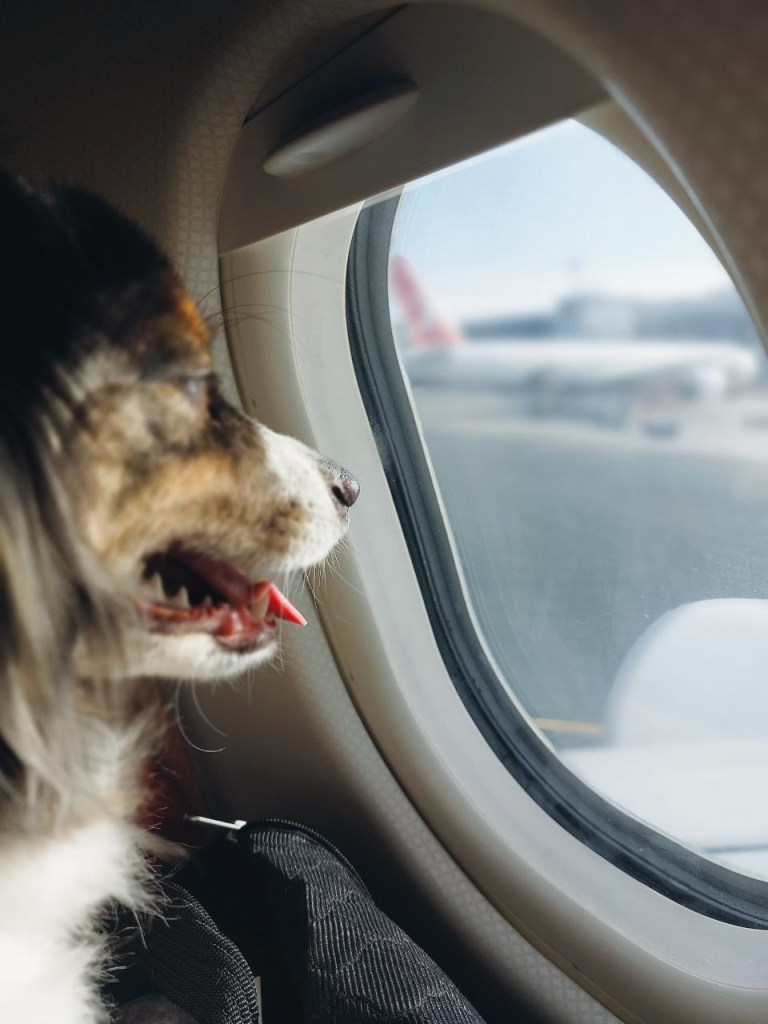
I know how fortunate I’ve been. I’ve received opportunities and support that many people never have. I’ve met wonderful people and made good friends. I’ve built a home with someone I love. Cookie has been beside me through so much of it, including all those moves, airports and long flights that have somehow become part of our lives.
There is so much about this life that I love.
But I miss the life I left behind.
For a long time, I think I felt that I had to choose between those feelings. That if I was happy here, I shouldn’t be so sad about being away. That if I missed Turkey this much, perhaps leaving had been a mistake.
But I’m beginning to understand that both can be true.
I can be grateful for the opportunities I’ve had and still grieve the years I’ve spent away from my family. I can feel safer here and still miss Turkey terribly. I can love the home we’ve built and still wish I could walk into the home where I grew up.
Maybe there was never one right decision. Maybe I was choosing between different lives, each with its own possibilities and losses. And maybe some of those losses were impossible to understand until years later.
I don’t know if moving abroad was the right decision. Maybe I’ll never know.
But living away from home has changed how I see people. I try to remember that the person struggling to understand something, searching for the right words or seeming a little lost might be carrying much more than I can see.
Maybe they’re learning a new language. Maybe they’ve had a terrible day. Maybe they haven’t seen their family in years.
So I try to be kinder. A little more patient. Because I know how much a small moment of kindness can mean when you’re far away from everything familiar.
And because you never know how far someone is from home, or how badly they wish they could hug their parents that day.
With love, Seda.

